Introduction
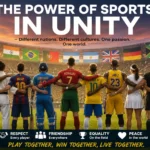
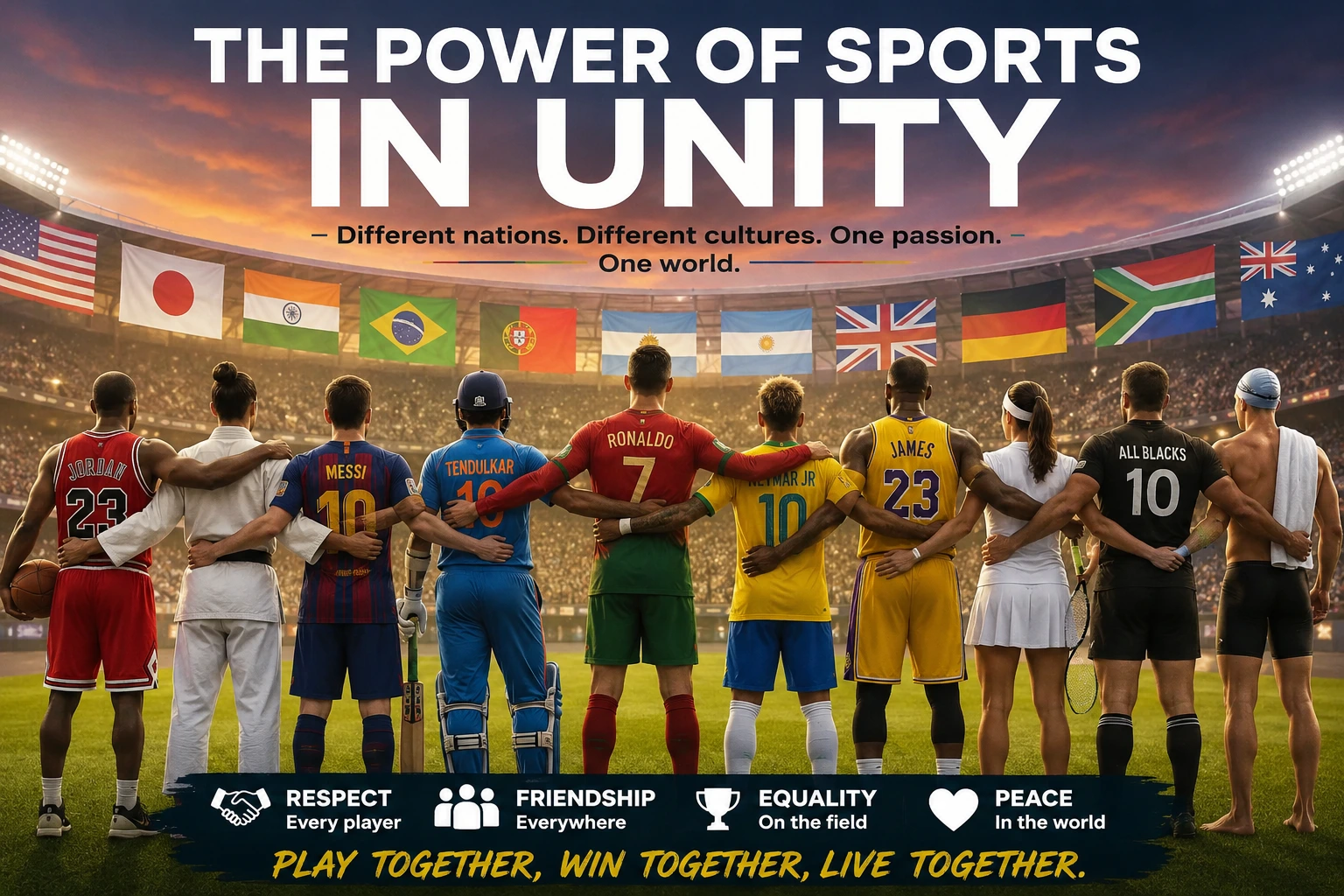
When millions of people celebrate the same goal, wave the same flag, and cry over the same victory, differences disappear for a moment. Sports have a Unique Power to unite people across cultures, religions, politics, and borders in ways few other forces can.
From the FIFA World Cup to the Olympic Games, sports create emotional connections that transcend language and nationality. In Europe, football clubs unite communities across cities and generations. In countries facing political or social division, sports often become a bridge for healing and reconciliation. Whether it is a child playing football in a local park or entire nations watching an international final together, sports create a shared human experience.
The power of sports in unity is stronger than ever in 2026 because modern sports culture now extends beyond stadiums. Social media, live streaming, esports, women’s sports, and global fan communities have transformed sports into a worldwide language of belonging.
This article explores how sports inspire unity, strengthen social cohesion, reduce barriers, promote peace, empower youth, and create national identity across the world.
What Is the Power of Sports in Unity?
The power of sports in unity refers to the ability of sports to bring people together regardless of race, religion, nationality, language, gender, or social status.
Sports create unity through:
- Shared goals
- Team spirit
- Emotional connection
- Collective identity
- Respect and sportsmanship
- Community participation
Unlike many social institutions, sports naturally encourage cooperation and inclusion. Fans support the same team, celebrate the same victories, and experience the same emotions together.
Why Sports Matter in Society
Sports are important because they:
| Benefit | Impact on Society |
| Teamwork | Encourages collaboration |
| Social Cohesion | Builds trust among communities |
| Youth Empowerment | Keeps young people engaged positively |
| National Pride | Strengthens identity |
| Peacebuilding | Reduces social tension |
| Health Benefits | Improves physical and mental health |
| Economic Growth | Creates jobs and tourism |
Sports act as a universal language that people everywhere understand.
Why Sports Unite People Better Than Politics or Religion
Politics and religion often divide societies because they involve ideology, beliefs, and competing interests. Sports, however, create emotional unity around shared experiences.
Sports Create Neutral Ground
In sports:
- People focus on teamwork rather than differences
- Fans celebrate together regardless of background
- Athletes become national symbols
- Communities unite behind common goals
A football stadium may contain people from different ethnicities, religions, and social classes, yet they cheer together as one.
Shared Victories Create Emotional Bonds
When a national team wins an important match, millions experience collective joy simultaneously. This emotional synchronization creates social cohesion stronger than many political campaigns.
Global Examples of Unity Through Sports
FIFA World Cup
The FIFA World Cup unites billions of viewers globally and creates shared excitement across nations.
Olympic Games
The Olympics promote international cooperation and peaceful competition among countries.
Cricket Diplomacy
Cricket matches between India and Pakistan have historically helped ease political tensions.
NBA Global Culture
Basketball culture has united diverse communities worldwide through fashion, music, and social identity.
Historical Examples of Sports Creating Unity
History proves that sports can transform societies and build peace during difficult times.
Nelson Mandela & the Rugby World Cup
One of the greatest examples of sports diplomacy came in 1995 when Nelson Mandela used rugby to unite post-apartheid South Africa.
At the time, racial divisions were extremely deep. Rugby was traditionally associated with white South Africans. Mandela strategically supported the national rugby team to create reconciliation between black and white citizens.
When South Africa won the Rugby World Cup, the country celebrated together as one nation.
North and South Korea at the Olympics
During several Olympic Games, athletes from North and South Korea marched together under a unified flag. These symbolic moments showed how sports can reduce hostility and encourage dialogue.
Ping Pong Diplomacy
In the 1970s, table tennis helped improve relations between the United States and China. Sports became a diplomatic tool that opened political communication.
India-Pakistan Cricket Diplomacy
Cricket has repeatedly served as a bridge between India and Pakistan during periods of political tension. Matches often create moments of cultural respect and emotional connection between citizens.
Boston Strong After the Marathon Tragedy
Following the Boston Marathon bombing, sports became a symbol of resilience and community healing. Sporting events helped citizens regain emotional strength and solidarity.
How Sports Promote National Unity
Sports strengthen national identity by creating collective pride and shared experiences.
Shared National Identity
When citizens support their national team, they feel connected to something larger than themselves.
This creates:
- Patriotism
- Emotional belonging
- Cultural pride
- National confidence
Reducing Ethnic and Social Divisions
In many countries, sports teams include players from different ethnicities and backgrounds. This representation promotes inclusion and equality.
Youth Engagement and Social Stability
Governments and organizations use sports programs to:
- Reduce youth crime
- Improve education
- Build discipline
- Encourage leadership
Sports provide young people with structure, purpose, and community.
Sports and Social Cohesion
Strengthen relationships within communities and improve social trust.
How Sports Build Stronger Communities
Local sports leagues encourage:
- Volunteerism
- Friendship
- Community participation
- Family involvement
Community sports events often become cultural celebrations that unite neighborhoods.
School Sports and Social Development
School sports teach children:
- Respect
- Leadership
- Communication
- Teamwork
- Conflict resolution
Students from different social backgrounds interact naturally through sports activities.
Sports Reduce Isolation and Violence
Research consistently shows that sports programs help reduce:
- Gang involvement
- Social isolation
- Discrimination
- Antisocial behavior
Communities with active sports participation often experience stronger social harmony.
The Role of Sports in Peacebuilding and Diplomacy
Sports diplomacy has become an important global strategy for promoting peace and international cooperation.
What Is Sports Diplomacy?
Sports diplomacy refers to using sports to improve relationships between countries, communities, or political groups.
How Sports Promote Peace
Sports encourage:
- Dialogue
- Respect
- Cultural exchange
- Nonviolent competition
International tournaments allow nations to interact positively in front of global audiences.
Olympic Truce Tradition
The Olympic Truce promotes peace during the Olympic Games by encouraging countries to pause conflict temporarily.
Peace Tournaments and Global Cooperation
Many organizations now use sports to help communities affected by war and crisis.
Examples include:
- Refugee football programs
- International youth tournaments
- Community rebuilding through sports
How Sports Break Cultural, Religious & Racial Barriers
Sports are one of the most powerful tools for inclusion.
Diversity in Sports
Modern sports teams include athletes from:
- Different races
- Religions
- Nationalities
- Languages
- Cultures
This diversity promotes tolerance and intercultural communication.
Women in Sports and Social Progress
Women’s sports have grown massively across Europe and globally. Female athletes inspire empowerment, equality, and inclusion.
Women’s football, tennis, athletics, and basketball now attract millions of viewers worldwide.
Anti-Racism Campaigns in Sports
Many sports organizations actively fight discrimination through campaigns promoting equality and respect.
Refugee Athletes and Human Connection
Refugee athletes competing internationally symbolize hope, resilience, and unity beyond borders.
The Psychological Power of Sports in Human Connection
Sports create deep emotional experiences that strengthen social bonds.
Emotional Synchronization
Fans celebrating together experience synchronized emotions, which increases feelings of connection and belonging.
Tribal Identity and Team Spirit
Humans naturally seek group identity. Sports provide healthy forms of collective identity through teams and fan communities.
Collective Healing After Tragedy
After crises or disasters, sports events often help communities emotionally recover.
Examples include:
- Charity matches
- Memorial tournaments
- Community sports gatherings
Sports and Mental Health
Sports improve mental well-being by reducing:
- Stress
- Anxiety
- Loneliness
- Depression
This emotional benefit strengthens communities overall.
Economic and Community Benefits of Sports Unity
Sports contribute significantly to economic growth and local development.
Sports Tourism
Major events attract millions of tourists and generate revenue for:
- Hotels
- Restaurants
- Transportation
- Local businesses
Infrastructure Development
Hosting sporting events often improves:
- Stadiums
- Roads
- Public transport
- Community facilities
Employment Opportunities
Sports industries create jobs in:
- Coaching
- Media
- Marketing
- Event management
- Hospitality
Community Investment
Many sports organizations invest in youth programs and local development projects.
How Technology & Social Media Amplify Sports Unity
Technology has transformed sports into a global digital experience.
Global Fan Communities
Fans now connect instantly through:
- Social media
- Live streams
- Fan forums
- Online communities
A football fan in Germany can celebrate with fans in Spain, Italy, or the UK in real time.
Social Media and Emotional Engagement
Sports moments spread globally within seconds through platforms like:
- TikTok
- YouTube
- X
This creates worldwide emotional participation.
Esports and Digital Unity
Esports communities unite millions of young people globally through competitive gaming and online tournaments.
AI and Future Sports Experiences
Artificial intelligence is improving:
- Fan engagement
- Match analysis
- Personalized experiences
- Accessibility for disabled fans
Technology is expanding the reach of sports unity.
The Dark Side — When Sports Create Division
While sports often unite people, they can also create conflict if not managed responsibly.
Hooliganism and Violence
Extreme fan behavior sometimes leads to:
- Stadium violence
- Riots
- Property damage
Racism in Sports
Some athletes still face racial abuse from fans and online communities.
Toxic Nationalism
Excessive nationalism can turn healthy competition into hostility.
Political Manipulation
Governments sometimes use sports for propaganda rather than genuine unity.
Why Responsible Sports Culture Matters
Healthy sports culture should promote:
- Respect
- Inclusion
- Fair play
- Diversity
- Peaceful competition
Balanced discussion improves the article’s credibility and EEAT value.
How Schools and Governments Can Use Sports to Build Unity
Governments and institutions can use sports strategically to strengthen society.
Youth Sports Programs
Community sports programs help young people develop:
- Discipline
- Leadership
- Confidence
- Social skills
School Tournaments
School competitions encourage cooperation between diverse groups.
Grassroots Sports Funding
Investment in local sports facilities creates accessible opportunities for communities.
Supporting Women’s Participation
Inclusive sports policies improve gender equality and social progress.
Community Sports Initiatives
Local sports festivals and tournaments create stronger neighborhood relationships.
Future of Sports Unity in 2030 and Beyond
The future of sports unity will become even more global and technology-driven.
AI-Powered Sports Experiences
Artificial intelligence will personalize sports engagement for fans worldwide.
Virtual Sports Communities
Virtual reality and digital platforms will allow fans to experience global events together from anywhere.
Inclusive Sports Technology
Accessibility innovations will help disabled athletes and fans participate more fully.
Paralympics Growth
The Paralympic movement continues to promote inclusion, equality, and inspiration globally.
Global Collaboration Through Sports
Future sporting events may increasingly focus on sustainability, peacebuilding, and social impact.
Key Benefits and Challenges of Sports Unity
| Benefits | Challenges |
| Builds national unity | Can fuel nationalism |
| Encourages peace | Risk of hooliganism |
| Promotes inclusion | Racism issues remain |
| Supports youth development | Political manipulation |
| Improves mental health | Commercialization |
| Strengthens communities | Fan toxicity online |
Pros & Cons of Sports as a Tool for Unity
Pros
- Creates emotional connection
- Reduces social barriers
- Encourages teamwork
- Promotes peace and diplomacy
- Strengthens national identity
- Supports youth empowerment
- Builds global friendships
Cons
- Can increase rivalry and aggression
- Sometimes exploited politically
- Racism still exists in sports
- Commercialization reduces authenticity
- Toxic fan culture can create division
How to Use Sports to Promote Unity in Communities
Practical Strategies
- Organize local tournaments
- Encourage mixed-community teams
- Invest in youth sports programs
- Promote women’s participation
- Use sports for social campaigns
- Support anti-racism initiatives
- Create inclusive community spaces
Europe’s Growing Sports Inclusion Model
Across Europe, many cities now use football and community sports programs to integrate immigrants, refugees, and marginalized youth into society.
This approach has helped improve social cohesion in countries like Germany, France, the Netherlands, and Sweden.
People Also Ask
A: Sports promote unity by creating shared goals, emotional connections, teamwork, and cultural interaction among people from different backgrounds.
A: Sports improve physical health, mental well-being, teamwork, discipline, and social cohesion while strengthening communities and national identity.
A: Yes. Sports diplomacy and international tournaments often encourage cooperation, reduce hostility, and improve relationships between nations and communities.
A: Sports diplomacy is the use of sports to improve political, cultural, or international relations between countries or groups.
A: Sports encourage inclusion by bringing diverse individuals together in shared environments focused on teamwork and mutual respect.
Conclusion
In a divided world, sports remain one of humanity’s last universal languages. They connect strangers, heal communities, inspire young people, and create moments of collective joy that transcend borders, politics, and cultural differences.
From the FIFA World Cup to local school Tournaments, the power of sports in unity continues to shape stronger societies across the globe. Sports promote peace, teamwork, inclusion, emotional healing, and national pride in ways few institutions can achieve.
As technology expands global fan communities and international cooperation grows, sports will become even more important in building social harmony in the future. Governments, schools, organizations, and communities should continue investing in inclusive sports programs that bring people together.
Whether on a local playground or an international stadium stage, sports remind humanity of one simple truth: we are stronger together than divided.
If you found this article valuable, share it with others, bookmark it for future reading, and explore more insightful guides on Ultraaiguide.com.