Introduction
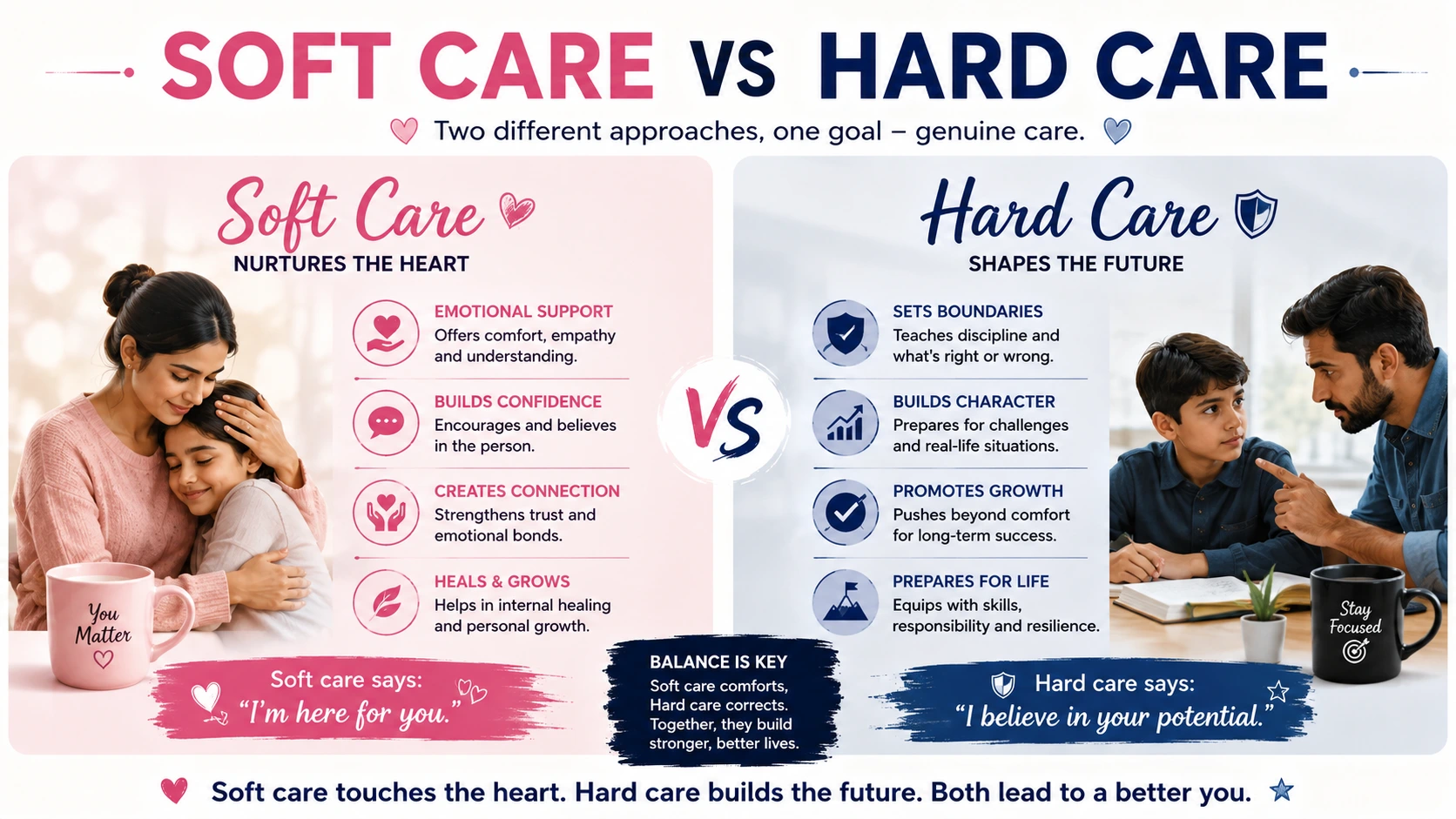
Sometimes, the real cause behind frizzy hair, itchy scalp, dry skin, dull curls, or stubborn acne is not your shampoo, serum, or expensive skincare products. It’s your water. The growing discussion around Soft Care vs Hard Care has transformed modern beauty conversations because people are finally realizing that water quality affects nearly every part of self-care.
From scalp health to skin hydration, mineral-heavy water can silently disrupt your routine every single day.
Many people spend years changing products without understanding why their hair still feels rough or why their skin barrier remains irritated. The truth is simple: water matters more than most beauty routines acknowledge.
In this complete guide, you’ll discover the real difference between soft and hard water, how each affects hair and skin, what science says about mineral buildup, and how to protect your beauty routine naturally.
Whether you have curly hair, sensitive skin, acne-prone skin, or color-treated hair, understanding your water type could completely transform your results.
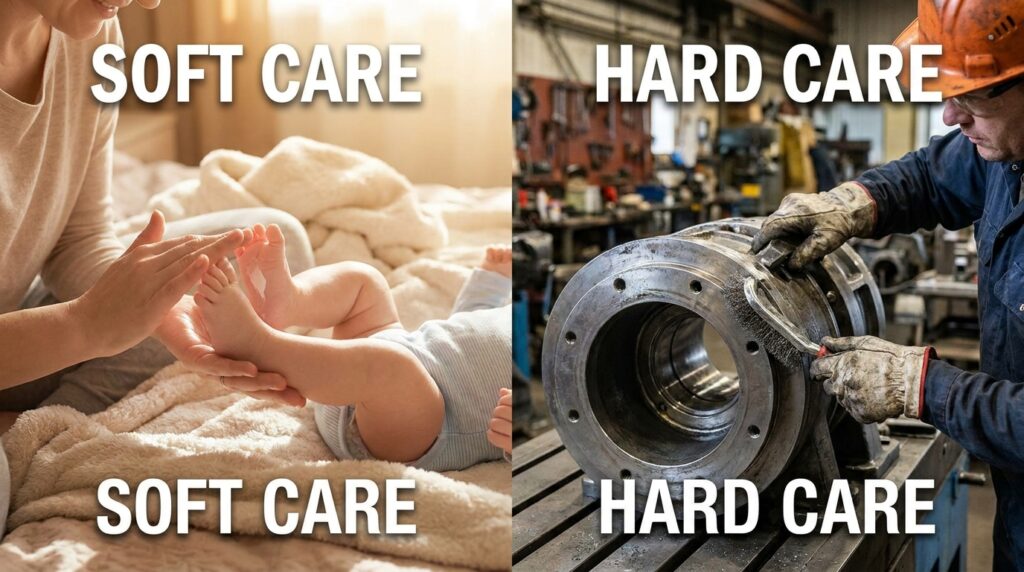
Soft Care vs Hard Care at a Glance
| Feature | Soft Care (Soft Water) | Hard Care (Hard Water) |
| Mineral Content | Low | High |
| Hair Texture | Smooth & soft | Rough & dry |
| Scalp Feel | Balanced | Itchy & flaky |
| Skin Hydration | Better moisture retention | Tightness & dryness |
| Shampoo Performance | Rich lather | Weak lather |
| Curl Definition | Improved | Frizzy |
| Product Absorption | Better | Reduced |
| Color-Treated Hair | Safer | Fades faster |
| Acne Potential | Lower irritation | Possible residue buildup |
What Is Soft Care?
Soft care refers to beauty routines influenced by soft water, which contains low levels of minerals like calcium and magnesium.
Because soft water creates less residue, it allows cleansers, shampoos, and conditioners to work more effectively.
Benefits of Soft Care
- Better shampoo lather
- Smoother hair texture
- Less scalp buildup
- Softer skin feel
- Easier product absorption
- Improved hydration retention
- Reduced frizz
People often notice softer hair and calmer skin when traveling to regions with naturally softer water.
What Is Hard Care?
Hard water refers to exposure to hard water, which contains high mineral concentrations.
These minerals create buildup on hair strands, scalp surfaces, and skin barriers over time.
Common Hard Water Effects
- Hair dryness
- Frizz
- Dullness
- Tangling
- Scalp irritation
- Skin tightness
- Reduced product performance
Hard water is usually safe for drinking, but it can significantly impact cosmetic appearance and beauty routines.
Why Hard Water Damages Hair
Hard water minerals form a stubborn coating around hair strands.
This coating blocks moisture and prevents conditioners from fully penetrating the cuticle.
Over time, this leads to:
- Brittle texture
- Increased breakage
- Frizz
- Dryness
- Tangling
- Reduced shine
The biggest problem is mineral accumulation. Calcium and magnesium deposits gradually weaken hair’s flexibility and create a rough outer surface.
Curly hair and chemically treated hair are especially vulnerable.
How Soft Water Improves Hair Health
Soft water supports healthier cleansing because shampoos can work properly without fighting mineral deposits.
Benefits include:
- Better hydration
- Increased shine
- Easier detangling
- Softer curls
- Reduced buildup
- Improved manageability
Many people experience dramatic hair texture Improvements after switching to filtered or softened water systems.
Soft water also helps deep conditioners absorb more effectively.
Hard Water vs Soft Water for Skin
Your skin barrier reacts strongly to water quality.
Hard water may disrupt the skin’s natural Protective layer by leaving behind mineral residue that interferes with cleansing.
Hard Water Skin Problems
- Dryness
- Flakiness
- Irritation
- Eczema flare-ups
- Tightness
- Sensitivity
Soft Water Skin Benefits
- Gentler cleansing
- Better hydration
- Reduced irritation
- Softer skin texture
- Improved comfort for sensitive skin
However, extremely softened water may feel slippery because of sodium processing.

Does Hard Water Cause Hair Fall?
Hard water does not directly cause genetic hair loss.
But it can contribute to:
- Hair breakage
- Weak strands
- Tangling damage
- Scalp inflammation
- Increased shedding appearance
When mineral buildup weakens the hair cuticle, strands become more vulnerable during washing and brushing.
Many people mistake breakage for true hair loss.
Does Hard Water Cause Acne?
Some dermatologists believe hard water may worsen acne in sensitive individuals.
Mineral residue can make cleansers less effective, allowing:
- Oil
- Sweat
- Dead skin cells
- Bacteria
to remain trapped on the skin.
This may increase irritation and clogged pores.
People with acne-prone skin often notice improvements after installing shower filters or using gentler cleansing routines.
Soft Care vs Hard Care for Curly Hair
Curly hair naturally struggles with moisture retention, which makes hard water especially damaging.
Hard Water Effects on Curly Hair
- Increased frizz
- Curl dryness
- Product buildup
- Tangling
- Loss of curl definition
Soft Water Benefits for Curls
- Better hydration
- Softer texture
- Defined curls
- Improved elasticity
- Easier styling
Many curly hair communities now consider water quality a major part of curl care.
Which Water Type Is Better for Colored Hair?
Soft water is generally safer for color-treated hair.
Hard water minerals can accelerate fading and create unwanted brassiness.
Hard Water Color Problems
- Faster color fading
- Dullness
- Dry texture
- Loss of shine
- Uneven tones
Professional salons frequently recommend clarifying treatments for clients living in hard water areas.
Signs You Have Hard Water at Home
You may have hard water if you notice:
- White mineral stains on faucets
- Soap is refusing to lather properly
- Hair feels coated or sticky
- Dry skin after showering
- Rough laundry texture
- Persistent frizz
- Scalp irritation
These are some of the most common warning signs.
How to Protect Hair From Hard Water
Use a Clarifying Shampoo
Clarifying shampoos help remove mineral buildup from the hair shaft.
Use once weekly to avoid overdrying.
Install a Shower Filter
A shower filter is one of the most effective long-term solutions for reducing mineral exposure.
Use Chelating Ingredients
Ingredients like:
- EDTA
- Citric acid
- Apple cider vinegar
can help dissolve mineral deposits.
Deep Condition Weekly
Hydration treatments restore softness and improve elasticity.
Avoid Overwashing
Frequent washing increases exposure to mineral-heavy water.
Best Ingredients for Hard Water Hair Repair
Look for products containing:
- Keratin
- Aloe vera
- Hyaluronic acid
- Coconut oil
- Argan oil
- Protein complexes
- Glycerin
These ingredients help restore moisture and strengthen weakened hair strands.
Scientific Explanation Behind Hard Water Damage
Hard water contains dissolved minerals that react with cleansing agents.
This creates soap residue and mineral films that remain on the skin and hair surface.
The result is:
- Reduced cleansing efficiency
- Cuticle roughness
- Scalp imbalance
- Moisture loss
- Product interference
Mineral accumulation also alters the hair’s natural texture and shine over time.
Common Myths About Soft Care vs Hard Care
Hard Water Is Dangerous
Hard water is generally safe to drink.
The issue is mostly cosmetic and beauty-related.
Soft Water Instantly Fixes Hair
Hair recovery still requires hydration and proper care routines.
Expensive Products Solve Everything
Water quality can affect results more than luxury products.
Only Hair Is Affected
Skin health is also heavily influenced by mineral exposure.
Dermatologist & Hair Expert Opinions
Modern dermatology increasingly Recognizes the relationship between water quality and skin barrier health.
Experts often recommend:
- Gentle cleansing
- Moisture barrier repair
- Reduced mineral exposure
- Shower filtration systems
- Scalp hydration treatments
Haircare professionals also emphasize clarifying routines for hard water regions.
The “Skinification” Trend in Haircare
Beauty trends are evolving rapidly.
Consumers now treat the scalp like facial skin.
This includes focus on:
- Scalp microbiome health
- Barrier repair
- Hydration science
- Water quality
- Ingredient safety
The shift toward “skinification” has made water quality discussions more important than ever.
Best Water Filters for Hair & Skin
Popular options include:
- Activated carbon shower filters
- Vitamin C shower filters
- Whole-house softening systems
- Multi-stage filtration systems
A good shower filter may help reduce:
- Chlorine
- Mineral residue
- Dryness
- Scalp irritation
Choosing the right filter depends on your local water hardness level.
Soft Care vs Hard Care for Different Hair Types
| Hair Type | Better Choice | Reason |
| Curly Hair | Soft Care | Better hydration |
| Fine Hair | Balanced Softness | Prevents limp texture |
| Color-Treated Hair | Soft Care | Protects color longevity |
| Oily Scalp | Moderate Softness | Avoids heavy residue |
| Damaged Hair | Soft Care | Reduces breakage |
| Thick Hair | Soft Care | Improves manageability |
Emotional Impact of Water Quality on Confidence
Hair and skin problems affect more than appearance.
They impact confidence, comfort, and emotional well-being.
Many people feel frustrated after spending money on products that never seem to work.
Understanding your water quality can finally explain why your beauty routine feels inconsistent.
Sometimes the smallest invisible factor creates the biggest visible changes.
People Also Ask
A: Yes, many people notice softer, shinier, and less tangled hair after reducing mineral exposure. Results often become visible within a few weeks.
A: Hard water minerals may disrupt your skin barrier and reduce moisture retention, leaving skin feeling dry or uncomfortable.
A: For many users, shower filters noticeably improve scalp comfort, reduce dryness, and help products work more effectively.
A: Curly hair is highly sensitive to dryness and buildup, so hard water often increases frizz and reduces curl definition.
A: Sensitive skin types, including babies, may experience increased dryness or irritation from mineral-heavy water.
How to Build the Perfect Soft Care Routine
Morning Routine
- Use gentle cleansers
- Avoid harsh sulfates
- Apply lightweight hydration
- Protect the scalp barrier
Weekly Routine
- Clarify once weekly
- Use deep conditioning masks
- Check shower filter performance
Monthly Routine
- Assess buildup levels
- Trim damaged ends
- Rotate restorative treatments
Consistency matters more than expensive products.
SEO Bonus Strategy for Ranking This Topic
To outperform competitors, focus on:
- Original comparison graphics
- Hair science explanations
- Dermatologist-backed insights
- AI Overview optimization
- Semantic topical depth
- Internal topical clustering
- Pinterest-friendly visuals
- User-focused readability
Most competitors still publish shallow “hard water explained” content instead of true beauty-focused pillar articles.
That creates a major ranking opportunity.
Conclusion
The debate around Soft care vs hard care is no longer just a technical Discussion about water minerals. It’s a beauty, wellness, and confidence conversation.
Your water touches your hair, scalp, and skin every single day. Over time, that exposure shapes how products perform, how hydrated your skin feels, and how healthy your hair looks.
Sometimes the missing piece in your routine isn’t another expensive product — it’s understanding the environment surrounding your beauty habits.